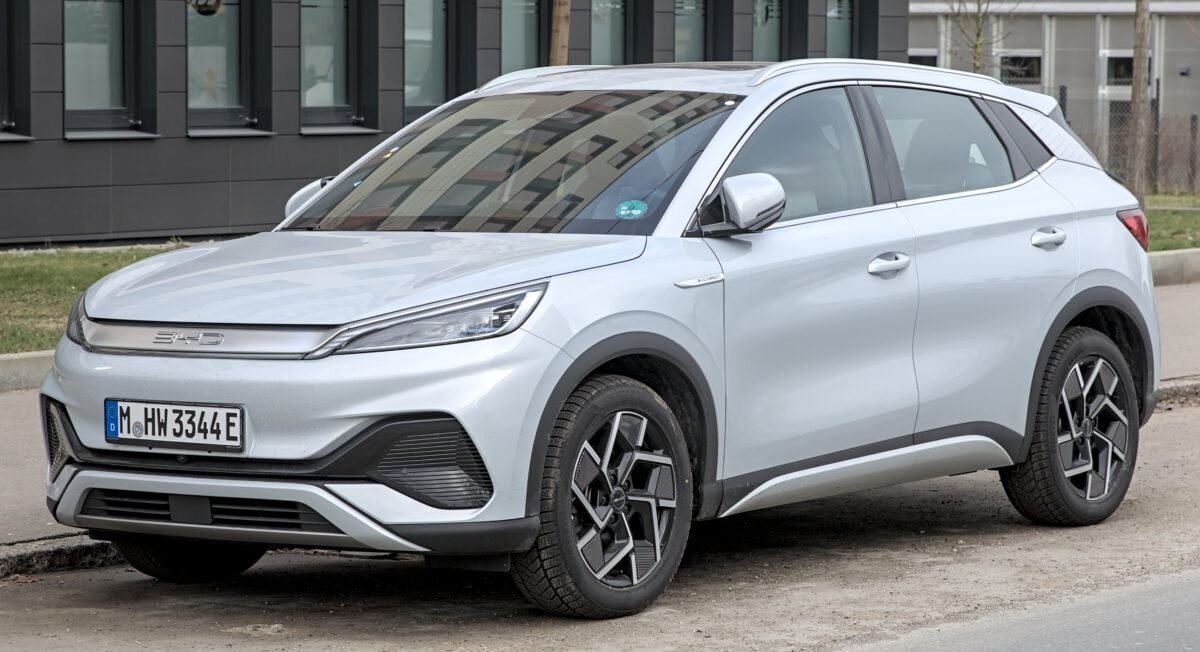
🚨 Washington’s New Rule Against Chinese Tech in Cars — Detailed Explanation
The U.S. Commerce Department introduced a major regulation that will change how future cars are built — especially connected or “smart” vehicles.
👉 Main rule:
✅ Chinese software must be removed by 2027 model-year vehicles
✅ Chinese hardware must be removed by 2030
This affects almost every modern car with internet-connected technology.
📱 1. Why the U.S. Government Is Doing This
The main reason is national security.
Modern cars collect huge amounts of data:
- GPS location
- Microphone audio
- Camera footage
- Driving behavior
- Phone connections (Bluetooth)
- Vehicle sensors
U.S. officials worry:
👉 Chinese companies could potentially access sensitive data through software or hardware systems.
So the government wants:
⭐ Less foreign control over connected vehicle technology.
🚗 2. What Technology Gets Banned
This rule targets vehicle connectivity systems.
Examples:
✅ Cellular modules (internet connection inside cars)
✅ Bluetooth systems
✅ Satellite communication features
✅ Automated driving systems
✅ Backup cameras
✅ Parking assistance software
✅ Over-the-air software updates
Basically:
👉 Any system connecting your car to networks or processing data.
📊 3. Why This Is a Huge Change
Right now:
👉 Chinese companies control about 87% of cellular modules used in connected vehicles.
That means:
- Most smart car components rely on Chinese technology.
- Automakers must now redesign many systems from scratch.
Experts say:
👉 This could be one of the biggest automotive regulations in decades.
🔎 4. New Compliance Rules for Automakers
Starting March 17:
Automakers must:
✅ Prove their software supply chains contain NO Chinese components.
✅ Submit yearly compliance declarations.
Even if a car is assembled in America:
👉 It can still be banned if Chinese companies are involved in software or hardware manufacturing.
🧑💻 5. Why This Is Very Difficult for Companies
Cars contain software built over many years.
Problems include:
- Chinese code hidden deep inside systems.
- Complex supplier chains.
- Proprietary software (companies don’t fully share code details).
Experts compare it to:
👉 Trying to remove flour from a baked cake without destroying it.
💰 6. Impact on Car Prices
Domestic alternatives cost about:
👉 10% more than Chinese components.
So likely effects:
❌ Higher car prices.
❌ Possible delays in new features.
❌ Supply chain restructuring.
Connected features may become:
- More expensive
- Slower to release.
⚔️ 7. Real-World Industry Responses
Some companies already adapting:
👉 Tesla is localizing parts for U.S. vehicles.
👉 Some suppliers are reducing Chinese ownership stakes.
👉 New U.S. companies developing alternative software.
🌎 8. Bigger Picture — Tech Cold War
This rule is part of larger U.S.–China technology competition.
Focus areas:
- Semiconductors
- AI
- Telecom
- Automotive technology
Connected cars are now seen as:
👉 Mobile data centers that could affect national security.
⭐ 9. What This Means for You (Future Car Buyers)
Possible outcomes:
✅ Better data security.
❌ Higher car prices.
❌ Some features may arrive later.
✅ More American-made technology.
🧠 Simple Summary
👉 U.S. bans Chinese software in cars by 2027 and hardware by 2030.
👉 Concern is spying and data security risks.
👉 Chinese companies currently dominate connected car technology.
👉 Automakers must redesign systems — causing higher costs and industry disruption.