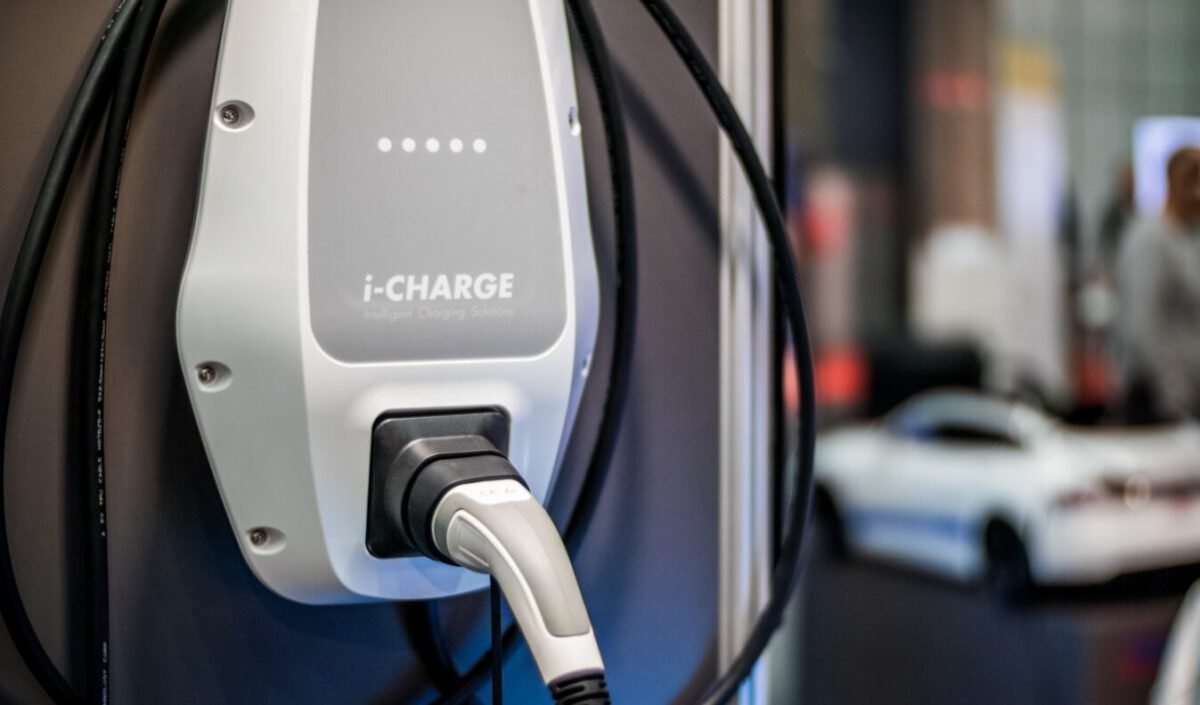
⚡ EV Chargers Are Safer Than You Think — The Truth Behind Viral Fire Claims
Recently, many viral posts on social media claim that electric vehicle (EV) chargers are dangerous and cause house fires. However, actual fire safety data from organizations like the NFPA (National Fire Protection Association) shows that these claims are mostly exaggerated or completely unsupported.
In reality, modern EV chargers are significantly safer than many common household appliances — including kitchen stoves and even microwaves.
🔥 1. Viral Claims vs Real Data
Many online posts spread alarming statistics, such as:
👉 “70% of EV house fires come from home chargers.”
But researchers have found that:
✅ This statistic does not appear in official NFPA or UL (Underwriters Laboratories) databases.
✅ There is no reliable scientific evidence supporting this claim.
These numbers often spread because:
- Social media rewards shocking or fear-based content.
- People share posts without verifying sources.
- EV technology is still new, so misinformation spreads easily.
📊 2. Actual Fire Risk Numbers
When looking at real fire safety data, the difference is surprising:
EV Charger Fire Incidents
- Only 2 incidents per 100,000 chargers annually
Kitchen Stove Fire Incidents
- About 2,300 fires per 100,000 units
👉 This means kitchen stoves are dramatically more likely to cause fires than EV chargers.
🚗 3. EV Fires vs Gasoline Vehicle Fires
Another common myth is that electric vehicles catch fire frequently.
But statistics show:
✅ Electric vehicles catch fire about 25 times less often than gasoline cars.
Example numbers:
- EVs: about 25.1 fire incidents per 100,000 vehicles
- Gas cars: about 1,529 incidents per 100,000 vehicles
Why gas vehicles catch fire more often:
- Flammable fuel systems
- Engine heat
- Mechanical failures
EVs lack traditional fuel systems, reducing some fire risks.
⚡ 4. When EV Fires Actually Happen
Even when EV fires occur:
- Only about 18–30% happen during or shortly after charging.
- Many cases involve vehicles that were already damaged (e.g., collision damage).
This means:
👉 The charger itself is rarely the cause.
🏠 5. The Real Risk: Electrical System Overload
The main safety concern is not the charger — but the home’s electrical system.
Level 2 EV chargers use high power (30–50 amps), which can stress:
- Older electrical panels
- Overloaded circuits
- Homes with limited electrical capacity
If improperly installed, this could lead to:
- Overheating wires
- Circuit breaker failures
- Electrical fire hazards
👷 6. Why Professional Installation Matters
Proper installation significantly reduces risk.
Licensed electricians:
✅ Check electrical panel capacity
✅ Perform load calculations
✅ Install dedicated circuits (required by safety codes)
✅ Add protective breakers to detect faults early
Avoid:
❌ DIY installation
❌ Extension cords
❌ Sharing circuits with other appliances
These shortcuts create real danger.
🧠 7. Why Fear Around EV Chargers Exists
Several factors increase public fear:
- New technology anxiety
- Media focus on rare incidents
- Viral misinformation
- Lack of understanding about lithium batteries
But overall safety data shows EV charging is very safe when done correctly.
✅ Final Key Insight
Modern EV chargers are not major fire hazards. Compared to many everyday appliances:
👉 EV chargers cause far fewer fires.
👉 Electric vehicles catch fire much less often than gasoline cars.
👉 The real risk comes from improper installation — not the technology itself.