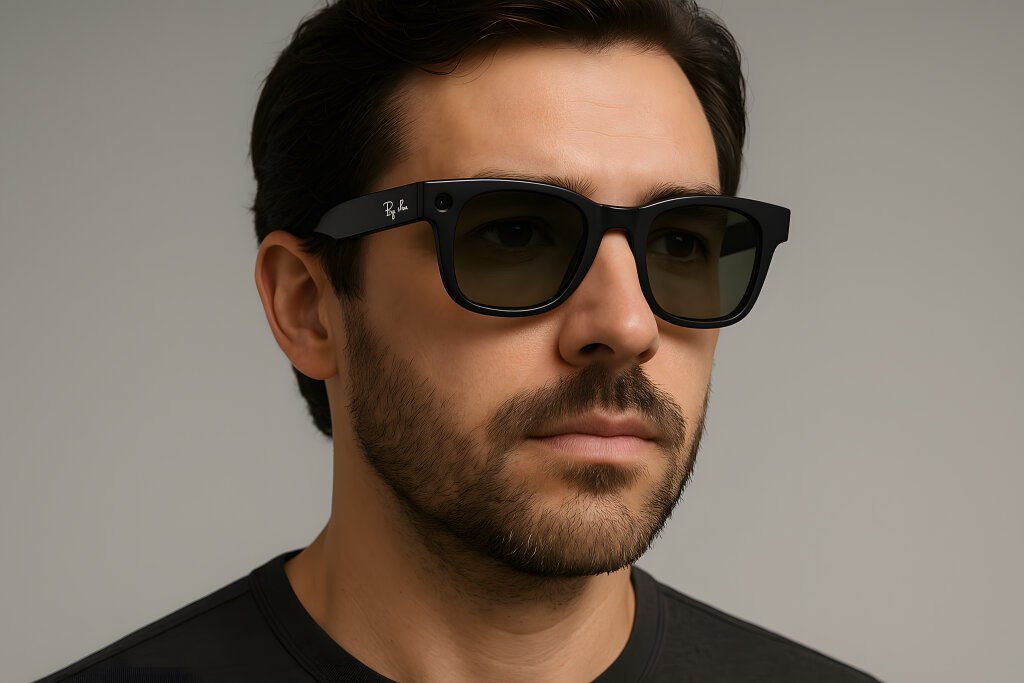
Judge Warns of Contempt as Mark Zuckerberg Team Wears Ray-Ban Meta Glasses in Los Angeles Courtroom
A tense moment unfolded inside the Los Angeles Superior Court when a judge threatened contempt charges after members of Meta CEO Mark Zuckerberg’s legal team appeared wearing smart glasses capable of recording audio and video.
The warning came during testimony in the K.G.M. v. Meta addiction trial, where Zuckerberg took the stand. Presiding Judge Carolyn Kuhl made it clear: any recordings made in the courtroom must be deleted immediately—or those responsible could face contempt charges.
Courtroom Rules vs. Wearable Technology
California Superior Courtrooms strictly prohibit photography, audio recording, and video capture unless explicitly authorized. These rules apply universally—no exceptions for wearable devices or emerging tech.
The concern centered around the Ray-Ban Meta smart glasses, AI-enabled eyewear developed by Meta. Though stylish and discreet in appearance, the glasses contain built-in recording features that raise serious legal and privacy concerns in restricted environments like courtrooms.
Judge Kuhl reportedly described the matter as “very serious,” prompting immediate removal of the devices.
What Makes the Glasses Controversial?
The Ray-Ban Meta glasses include:
- 12-megapixel photo capability
- 1080p video recording
- Up to one hour of continuous recording
- LED indicator light signaling active recording
However, critics note that the LED indicator can potentially be altered or disabled, increasing concerns about covert recording.
Because the glasses resemble regular eyewear, they are far less noticeable than smartphones or traditional cameras—making enforcement of recording restrictions more complicated.
A Broader Legal and Social Challenge
This courtroom incident highlights a growing tension between rapidly advancing wearable technology and long-standing privacy rules.
Smart glasses represent the next stage of “always-on” technology—similar to how smartphones disrupted privacy norms years ago. But unlike phones, wearable cameras are far less obvious.
As adoption increases—especially after reports that Ray-Ban Meta sales tripled in 2025—legal systems and institutions are being forced to adapt.
Sensitive environments likely to impose strict restrictions include:
- Courtrooms
- Schools
- Hospitals and medical facilities
- Locker rooms
- Government buildings
- High-security venues
In many of these settings, wearable recording devices may be treated similarly to concealed surveillance tools.
Legal Risks for Users
The incident underscores an important lesson for smart glasses users: knowing the rules of your surroundings is critical.
In courtrooms, violating recording bans can result in:
- Contempt of court charges
- Financial sanctions
- Removal from proceedings
- Potential legal consequences
As wearable cameras become more common, individuals may face a complex patchwork of local laws and institutional policies.
Technology Ahead of Social Norms
The Zuckerberg courtroom episode illustrates a transitional moment in technology adoption. Advanced recording tools are now embedded in everyday fashion accessories—but social norms and legal frameworks have not fully caught up.
Until clearer regulations emerge, users of wearable recording devices must exercise caution. In certain spaces, the safest approach may be to remove or disable the technology entirely.
As smart glasses continue entering mainstream use, courts and institutions are likely to tighten policies to prevent unauthorized recording.