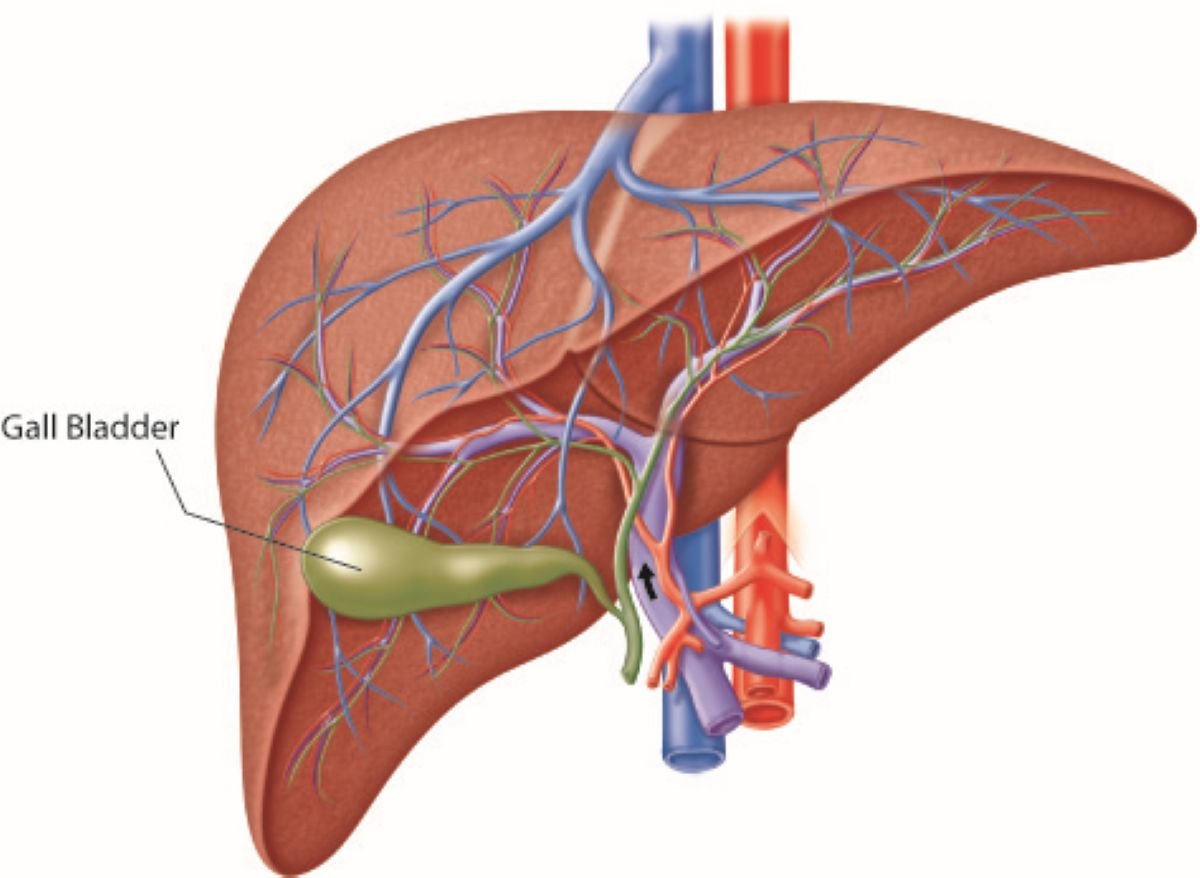
PFAS “Forever Chemicals” May Harm Teen Liver Development, New Research Suggests
Recent scientific studies are raising serious concerns about the impact of per- and polyfluoroalkyl substances (PFAS)—often called “forever chemicals”—on adolescent health. Researchers now believe that these widely used chemicals may overwhelm developing liver systems in teenagers, potentially leading to long-term liver damage.
What Are PFAS and Why Are They Called “Forever Chemicals”?
PFAS are a large group of synthetic chemicals used for decades in everyday products because of their water-resistant, grease-resistant, and non-stick properties.
You’ll commonly find them in:
- Non-stick cookware (like coated frying pans)
- Fast food packaging and microwave popcorn bags
- Pizza boxes
- Waterproof clothing and jackets
- Cosmetics and makeup products
- Some dental floss brands
They are nicknamed “forever chemicals” because they do not naturally break down in the environment. Even more concerning, they also remain in the human body for years—sometimes decades—accumulating over time.
Why Teenagers May Be at Higher Risk
Adolescence is a critical period of growth and development. During these years, the body undergoes:
- Hormonal changes
- Rapid physical growth
- Metabolic shifts
- Brain development
The liver plays a major role in processing hormones, detoxifying chemicals, and regulating metabolism. However, in teenagers, liver detoxification systems are still maturing.
What Researchers Are Finding
New studies suggest:
- PFAS exposure is associated with increased markers of liver damage in adolescents.
- Teen livers may struggle to properly process and eliminate these persistent chemicals.
- Chemical buildup can create additional stress on the liver during an already demanding developmental phase.
Unlike adults with fully developed metabolic systems, teenagers may be more vulnerable because their detoxification pathways are not yet operating at full capacity.
How PFAS Affect the Liver
The liver is responsible for:
- Filtering toxins from the bloodstream
- Breaking down chemicals
- Regulating cholesterol and fat metabolism
Research indicates PFAS may:
- Disrupt normal fat metabolism in liver cells
- Trigger inflammation
- Increase risk of fatty liver disease
- Alter enzyme levels linked to liver function
Over time, continuous exposure combined with accumulation may increase the risk of chronic liver conditions.
Why This Matters for Families
PFAS exposure is widespread. Most people are exposed daily without realizing it. Because these chemicals are so persistent, small exposures add up over time.
For teenagers already experiencing intense biological changes, this additional chemical burden may push the liver beyond what it can safely manage.
Practical Ways to Reduce PFAS Exposure
The good news is that you can significantly reduce exposure with simple changes:
1. Switch Cookware
Replace non-stick pans with:
- Cast iron
- Stainless steel
- Ceramic (PFAS-free verified)
2. Choose Fresh Foods
- Avoid heavily packaged or grease-resistant food containers
- Limit microwave popcorn and fast food packaging
3. Check Product Labels
Look for “PFAS-free” labeling on:
- Outdoor gear
- Cosmetics
- Food storage products
4. Filter Drinking Water
Some water filtration systems can reduce PFAS contamination.
The Bigger Picture
This growing body of research highlights a larger issue: many chemical exposures in daily life go unnoticed. Teen health may be particularly vulnerable to long-term environmental risks that accumulate quietly over time.
As scientists continue studying PFAS, awareness and prevention remain key. While regulatory discussions are ongoing globally, families can take practical steps now to reduce exposure and protect developing bodies.