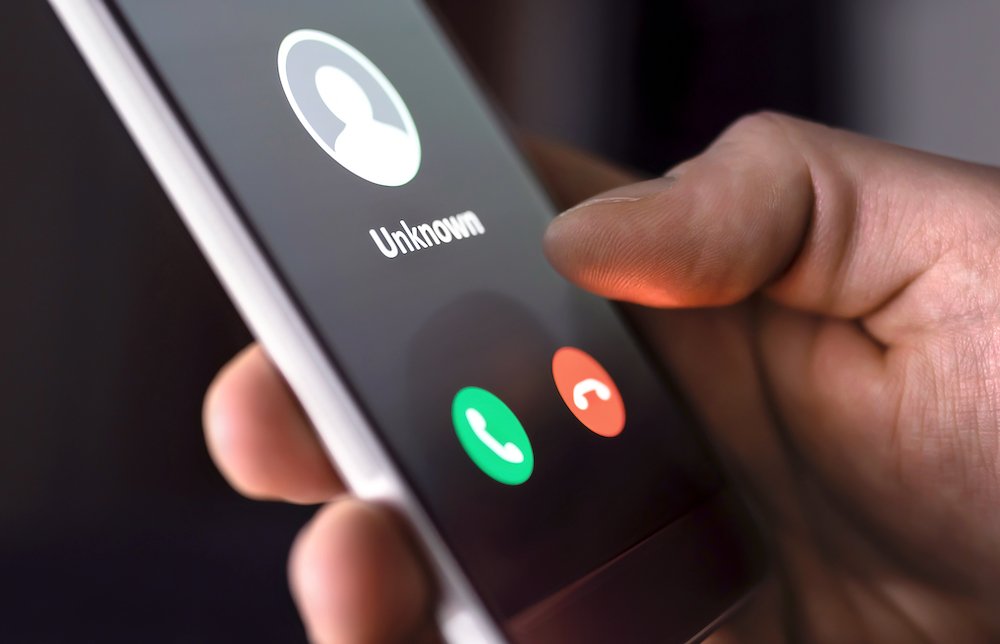
🚨 How Scammers Exploit Seniors Using Fake Bank Alerts and Government Messages
Financial scams targeting seniors are increasing rapidly because attackers understand one important psychological factor: institutional trust. Many seniors grew up in an era where banks, government agencies, and official institutions were seen as reliable and authoritative. Scammers exploit this trust by creating highly convincing fake communications that appear legitimate.
These scams often involve fake bank alerts, Medicare notifications, tax warnings, or government benefit messages designed to trigger fear and immediate action.
🧠 1. The Psychology Behind Senior Targeting
Scammers don’t just rely on technology — they rely on human psychology.
✔ Institutional Trust
Older generations tend to trust communications that appear to come from:
- Banks
- Government agencies
- Healthcare systems (Medicare, insurance)
- Tax authorities
Because these institutions historically communicated formally and honestly, seniors may assume that any message resembling them is authentic.
✔ Authority Bias
People naturally obey authority figures or official-looking messages. A message using official logos, formal language, and legal terminology can trigger automatic compliance.
✔ Fear of Losing Essential Services
Many scam messages threaten loss of:
- Bank account access
- Retirement benefits
- Healthcare coverage
- Tax compliance status
The fear of losing essential services pushes victims to act quickly without verification.
📩 2. How Fake Messages Are Designed
Modern scam messages are extremely sophisticated and no longer obvious.
Common features include:
✅ Realistic logos copied from official websites
✅ Correct color schemes and layouts
✅ Professional wording
✅ Fake customer service numbers
✅ Personalized information (name, partial details)
Scammers may use:
- SMS messages (“smishing”)
- Emails (“phishing”)
- Automated phone calls (“vishing”)
- Messaging apps like WhatsApp or Telegram
Example:
“Suspicious activity detected. Verify your account immediately to avoid suspension.”
The included link leads to a fake website that looks identical to a real banking login page.
⚡ 3. The Urgency Mechanism
Urgency is one of the strongest manipulation tools.
Scammers intentionally create:
- Short deadlines (“2 hours remaining”)
- Immediate threats (“Account frozen soon”)
- Emotional pressure (“Unauthorized withdrawal detected”)
This triggers stress, causing the brain to shift into fast decision-making mode instead of critical thinking.
Psychologically, panic reduces skepticism.
💻 4. Technology Knowledge Gap
Many seniors are highly intelligent but may lack specific digital security awareness.
Common challenges include:
- Not recognizing fake web addresses (e.g., bank-secure-login.xyz instead of official domain)
- Trusting email sender names without checking full address
- Difficulty identifying subtle design inconsistencies
- Less familiarity with common online scam patterns
Meanwhile, scammers use increasingly advanced tools, including AI-generated content, making fake messages more realistic than ever.
💰 5. What Happens After the Click
Once the victim clicks and enters details:
1️⃣ Login credentials are captured.
2️⃣ Scammers may immediately access accounts.
3️⃣ Funds are transferred or stolen.
4️⃣ Additional fraud may occur using stolen identity information.
Some scammers even keep victims engaged through phone calls pretending to be support agents.
👨👩👧👦 6. Why Family Support Works Better Than Technical Training
Experts suggest that complex cybersecurity training is less effective than simple habits.
Key protective strategies:
✔ Verification Rule
Always contact the organization directly using official contact information — never through links or numbers provided in suspicious messages.
✔ “Pause Before Acting” Habit
Create a simple rule: never respond immediately to urgent financial messages.
✔ Family Communication
Encourage seniors to:
- Ask a family member before responding to unusual requests
- Share suspicious messages openly without embarrassment
✔ Security Setup Help
Family members can help with:
- Spam filters
- Two-factor authentication
- Banking alerts
- Password managers
🔑 7. Why These Scams Continue to Grow
- Digital communication is now the primary way institutions contact people.
- AI tools allow scammers to create extremely realistic messages quickly.
- Large databases of leaked information help scammers personalize attacks.
Because the messages mimic real communications so closely, even careful individuals can be fooled.
✅ Final Key Insight
These scams are successful because they combine:
👉 Trust in institutions
👉 Fear and urgency
👉 Realistic design
👉 Digital skill differences
The strongest defense is simple verification habits and open family communication — not advanced technical knowledge