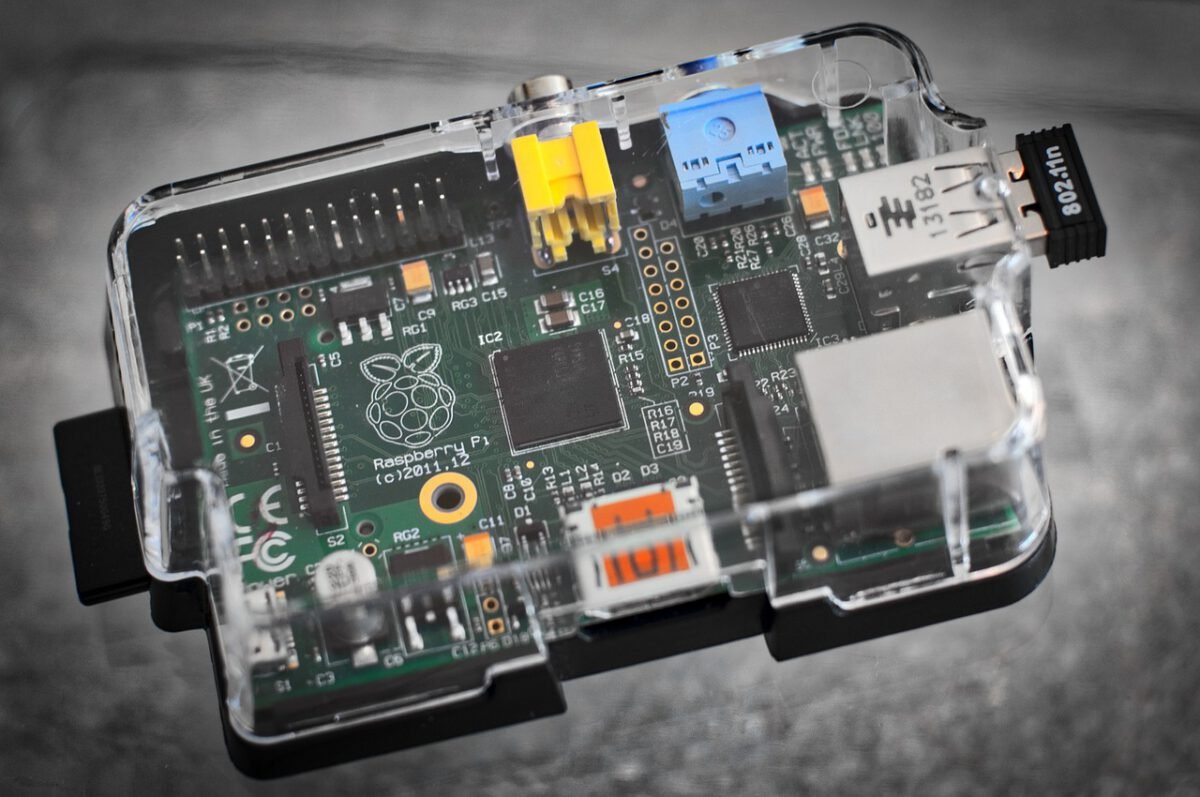
What’s Actually Happening With Raspberry Pi Prices?
Raspberry Pi has announced another major price increase, the second hike in just three months. The worst hit models are the 16GB variants, which have jumped $60, pushing the price to $205.
To put that into perspective:
- Original launch price of Pi 5 (16GB): $120
- Current price: $205
- Total increase: ~70%
This is a massive shift for a product that was built around the idea of affordable computing for everyone.
Why Are Prices Rising So Fast?
1. AI Data Centers Are Consuming Memory Supply
The core reason is LPDDR4 memory, the type of RAM used in Raspberry Pi boards.
- AI companies are building huge data centers
- These centers require enormous amounts of memory
- Memory manufacturers prefer selling to AI firms because:
- Orders are massive
- Profit margins are much higher
As a result:
- LPDDR4 prices have more than doubled in the last quarter
- Small buyers like Raspberry Pi are pushed to the back of the supply queue
In simple terms:
👉 Big AI companies are buying everything, leaving little for hobbyist hardware.
2. Raspberry Pi Has No Pricing Power
Unlike Apple, NVIDIA, or Intel:
- Raspberry Pi does not control memory manufacturing
- It relies on external suppliers
- When suppliers raise prices, Pi has no choice but to pass costs to users
CEO Eben Upton admitted the situation is:
“Painful but ultimately temporary”
But for users paying today, that’s not very comforting.
How Each Raspberry Pi Model Is Affected
The price increase is tiered, meaning the more RAM you want, the more you suffer.
Price Impact by Model
- 1GB models → No change ($35–$45)
- 2GB models → +$10
- 4GB models → +$15
- 8GB models → +$30
- 16GB models → + $60 (biggest hit)
Why?
Because memory density = cost.
More RAM → more exposure to memory price inflation.
Products Also Affected
- Compute Modules → Price increases across variants
- Pi 500+ desktop kit → Now approaching $280 at some resellers
Products NOT Affected
These escaped because they use:
- Different memory tech
- Old stock
- Or simpler designs
Unaffected products:
- Pi Zero series
- Pi 400
- Pi 3 models
Why This Is a Big Problem for Education
Raspberry Pi’s original mission was:
“Democratize computing”
Now that mission is under pressure.
Schools & Teachers
- Coding classrooms planned around low-cost Pis
- Budgets now don’t stretch as far
- Some schools may:
- Reduce student access
- Cancel hardware-based lessons
Students
- Entry barrier is higher
- Learning hardware + Linux becomes expensive
- This hurts early exposure to programming
Makers & Hobbyists Feel the Pain
For hobbyists:
- Weekend robotics projects now cost significantly more
- Home automation setups exceed budget
- Multi-Pi clusters are no longer affordable
That Arduino in your drawer suddenly looks like a better deal, even though it’s far less powerful.
Industrial & IoT Developers Are Also Affected
Companies embedding Raspberry Pi into:
- Smart devices
- Industrial controllers
- IoT systems
Now face:
- Higher production costs
- Reduced profit margins
- Possible need to redesign products using other boards
Changing hardware mid-product cycle is expensive and risky.
Rise of Chinese Alternatives
Because of these hikes, users are increasingly looking at:
- Orange Pi
- Banana Pi
- Rock Pi
Pros:
- Cheaper
- Similar specs
- Readily available
Cons:
- Smaller communities
- Less documentation
- Weaker long-term software support
Still, price-sensitive users are willing to accept trade-offs.
Is This Crisis Temporary?
According to Raspberry Pi leadership:
- Yes, eventually
- But 2026 will remain difficult
Why?
- AI infrastructure expansion is accelerating
- Supply chains take time to rebalance
- Memory fabs prioritize long-term AI contracts
Best-case scenario:
- Prices stabilize late 2026 or 2027
- Possible rollback if memory costs fall
Worst-case:
- “Cheap computers” become a thing of the past
The Deep Irony
AI is supposed to:
- Make technology more accessible
- Democratize intelligence
But instead:
👉 AI is pricing out the very platforms that taught millions of people how to code
The tools that created today’s engineers are becoming unaffordable for tomorrow’s learners.
Final Takeaway
- Raspberry Pi is no longer the budget king
- AI demand is reshaping the entire hardware ecosystem
- Educators, makers, and startups are caught in the crossfire
- Exploring alternatives is becoming necessary, not optional
If you want, I can also:
- Rewrite this as a clean tech article
- Create a summary for social media
- Compare Raspberry Pi vs Orange Pi vs Arduino
- Or design a thumbnail/image prompt for this story