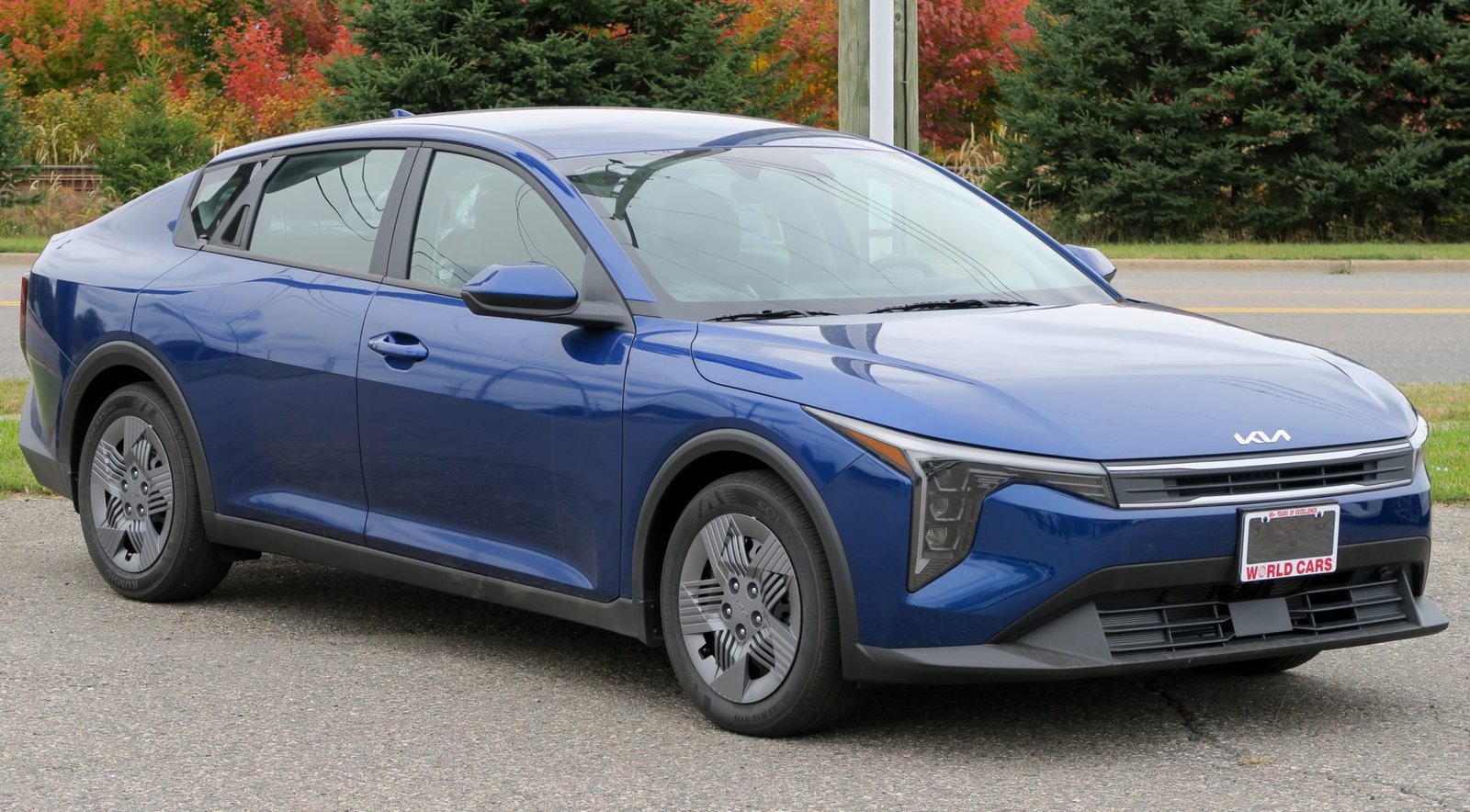
Modern fuel injection ends 10-minute warmups — how the 30-second rule gets your car warm faster (clear, detailed guide)
Shivering in a car while the engine idles for ten minutes is a holdover from the carburetor era. Modern fuel injection, synthetic oils, and simple thermodynamics mean you can get warm faster by doing the opposite of what many drivers still do: start the engine, wait ~30 seconds, then drive gently. Below is a clear, detailed explanation of why that works, how to do it safely, and what benefits and exceptions you should know.
Key idea (30-second rule)
- Start the engine.
- Wait about 30 seconds — long enough for oil and basic systems to stabilize.
- Drive gently (keep RPMs low, accelerate smoothly).
Result: the engine and heater warm up 5× faster than long idling in most modern cars; cabin heat and defrosting typically arrive in 2–3 minutes instead of 10–15.
Why this works — the physics, simply explained
- Heat is produced by work. An engine produces far more heat under light load (driving) than when it’s idling. That heat is what warms the engine block, opens the thermostat, circulates coolant, and sends hot air to the cabin through the heater core.
- Short idling doesn’t create much useful heat. At idle most of the engine’s fuel energy is wasted (and the engine produces less thermal power), so the coolant and heater warm slowly.
- Modern fuel injection delivers the right fuel/air mix instantly. Carburetors needed long warm-up times because they couldn’t meter cold-engine fuel properly. Fuel-injected systems (standard for decades) adjust instantly, so long idle is no longer required.
- Modern oils circulate fast. Synthetic oils flow to bearings and critical components within ~12–15 seconds after start in modern engines, so a 30-second pause gives a safe margin for lubrication without long idling.
Step-by-step: the safe 30-second warm-up routine
- Start the engine.
- Set mirrors/seat and buckle up during the ~30-second pause. Don’t rev the engine. Let it return to its regular idle.
- Pull away smoothly — keep engine speed under ~2,500 RPM and avoid heavy acceleration for the first 5–10 minutes. Gentle driving is the goal.
- Use climate controls as needed. Set the fan and temperature; defrost settings will become effective faster as engine warmth arrives.
What “gentle driving” actually means
- Smooth, steady acceleration — avoid flooring it or towing heavy loads.
- Keep RPMs moderate (under ~2,500 rpm for most petrol engines; for diesels follow manufacturer guidance).
- Avoid high-speed or long steep climbs until the engine and oil reach operating temperature.
Benefits (what you gain)
- Faster cabin heat and defrosting: heater core gets hot sooner because the engine generates more heat under load.
- Fuel savings: long idling wastes fuel. (Example: a small car idling 10 minutes can burn ≈ 0.1 gallon — so repeated warmups add up.)
- Lower wear: running hard on a cold, idling engine can promote cold-start wear; moderate load after a short pause brings components to temp faster and more evenly.
- Fewer emissions: idling produces unnecessary CO₂ and pollutants; driving gently reduces total emissions for the warm-up period.
Common questions / quick FAQs
Q: Is 30 seconds always enough?
A: For most modern gasoline cars with synthetic oil and fuel injection, 30 seconds is a sensible, conservative wait. It lets oil circulate and the engine settle from its higher cold-start idle. Check your owner’s manual — some models and climates may have specific guidance.
Q: What about extremely cold climates (very low subzero temps)?
A: In extreme cold (very low single digits °F / °C well below freezing), fluids are thicker and batteries are weaker. You may want a slightly longer pause, ensure your battery is strong, and still avoid long idling — gentle driving is still more effective than extended idling for heating.
Q: Does this advice apply to diesels or turbo engines?
A: The principle (heat from load warms faster) still applies, but diesels and turbocharged engines can have different lubrication and turbo cooldown considerations. For diesels check the manual (they’re more sensitive to cold-start procedures). For turbo engines, avoid high revs immediately after startup but light driving is fine.
Q: What about electric vehicles?
A: EVs don’t use engine heat; cabin heating works differently (resistive or heat-pump systems). This guide is for internal-combustion engines (ICE). EVs often have remote preheat features that are more appropriate.
Q: Could driving immediately damage the engine?
A: If you follow the short wait and drive gently, no — modern engines are designed for this. The 30 seconds lets oil circulate; smooth driving produces heat quickly and reduces the time the engine spends at cold temperature, which is when wear is highest.
Manufacturer advice & safety note
- Always consult your vehicle owner’s manual first. Some manufacturers give specific cold-start instructions for their models, fluids, or turbocharged/diesel engines. The 30-second rule is a general guideline for most modern petrol vehicles, not a one-size-fits-all law.
- Never compromise safety to warm the car (e.g., don’t leave the vehicle unattended in gear, don’t idle in an enclosed space like a garage).
Quick numerical example (fuel & time)
- Typical small car idling ~10 minutes ≈ 0.1 gallon of fuel burned (approximate).
- Gentle driving after 30 seconds commonly yields noticeable cabin heat in 2–3 minutes, versus 10–15 minutes of idling.
Practical checklist for tomorrow morning
- Charge phone and prep bag while car idles for 30 seconds.
- Buckle, mirrors, and set climate controls during the 30s.
- Pull away smoothly, keep RPMs low, and avoid heavy acceleration for the first 5–10 minutes.
- If you live in extreme cold, add a few extra seconds and confirm recommendations in your manual.
Short summary (TL;DR)
Modern fuel injection and synthetic oils mean extended 10-minute warmups are obsolete for most petrol cars. Start the engine, wait ~30 seconds for oil to circulate, then drive gently — the engine will produce more heat under light load and warm the cabin and defroster in 2–3 minutes, saving fuel, cutting emissions, and reducing wear.